Small Homes, Big Heart: The Emotional Advantages of Intimate Elderly Care
Business Name: BeeHive Homes of Taylorsville
Address: 164 Industrial Dr, Taylorsville, KY 40071
Phone: (502) 416-0110
BeeHive Homes of Taylorsville
BeeHive Homes of Taylorsville, nestled in the picturesque Kentucky farmlands southeast of Louisville, is a warm and welcoming assisted living community where seniors thrive. We offer personalized care tailored to each resident’s needs, assisting with daily activities like bathing, dressing, medication management, and meal preparation. Our compassionate caregivers are available 24/7, ensuring a safe, comfortable, and home-like setting. At BeeHive, we foster a sense of community while honoring independence and dignity, with engaging activities and individual attention that make every day feel like home.
164 Industrial Dr, Taylorsville, KY 40071
Business Hours
The longer I work in senior care, the more persuaded I am that scale quietly forms whatever. Not just staffing ratios and spending plans, but how it feels to wake up in the morning, who notices when you seem a bit off, and whether anybody remembers how you like your tea.
Large assisted living structures and nursing homes have their place. They offer medical protection, activities, transport, and a complacency that many families really require. Yet, when I consider the most peaceful and deeply human minutes I have actually seen in elderly care, they hardly ever take place in a 100‑bed facility. They occur in small homes, at kitchen tables, on shaded patios, in familiar armchairs that have actually moved along with their owner.
Intimate care settings are not magic, and they are not perfect. However they often unlock emotional advantages that are hard to recreate at scale. Understanding those benefits helps households make more thoughtful options, whether they are thinking about assisted living, respite care, or long‑term residential options.
What "small home" care truly means
People use different terms: residential care home, board‑and‑care, micro‑community, small group home. The policies differ from state to state and nation to nation, however the fundamental idea is consistent. Rather of a large institutional building with long corridors and a main dining hall, you have a home or home‑like setting where a small number of older adults live together.
Typical features consist of:
- A limited variety of homeowners, typically between 4 and 12.
- Shared typical spaces that appear like a routine home rather than a facility.
- Fewer layers of staff hierarchy, so caretakers, citizens, and families know each other personally.
- More versatile everyday regimens that can adapt to private preferences.
In real practice, the psychological tone of a small home depends much more on leadership, personnel culture, and the physical environment than on any licensing category. I have walked into 6‑bed homes that felt cold and transactional, and I have actually met groups in 80‑resident assisted living communities who handled to create amazing warmth in spite of the scale.
Still, when you diminish the environment and simplify the structure, specific emotional benefits end up being much easier to achieve.
The emotional landscape of late life
By the time a family begins seriously exploring senior care, a lot has already occurred. Health modifications, hospitalizations, slow losses of capability, moves away from a long‑time area, the death of friends or a partner. On top of that, significant decisions need to be made about safety, financial resources, and long‑term planning.
Underneath the logistics, several emotional requirements keep showing up:
- To feel seen as an entire individual, with a history that still matters.
- To retain some control over every day life, even when help is needed.
- To experience stability and predictability, especially if memory is fragile.
- To feel attached to a couple of trusted people, not constantly surrounded by strangers.
- To preserve dignity in very intimate situations, like bathing or toileting.
Any senior care setting that takes these needs seriously is already ahead. Small homes simply have an easier time equating those concepts into day-to-day practice.
Why small environments relieve the anxious system
Watch someone with moderate dementia walk into a busy lobby filled with individuals, televisions, and continuous motion, then enjoy the same person step into a quiet living-room with two citizens checking out and a caretaker folding laundry. The distinction in body language is apparent. Shoulders relax, scanning eyes settle, speech ends up being more fluid.
Chronic overstimulation is a hidden stress factor in numerous bigger assisted living or memory care neighborhoods. Echoing hallways, paging systems, numerous activities in overlapping areas, personnel modifications across shifts, unknown float employees from other units. Older adults, specifically those with cognitive changes, frequently lack the spare psychological bandwidth to filter all this. When that takes place, we see it as "roaming," "resistance," or "habits," but underneath, it can be distress.
Small homes minimize this background sound. Fewer citizens, fewer staff, less doors and passages. The brain has less to track. Regimens end up being clear. This calmer baseline lets other favorable emotions surface: contentment, interest, humor, even mischief. I have seen locals who were described as "difficult" in one setting develop into mild, cooperative people in a quieter small home, without any medication changes.
This does not mean small homes are always peaceful. There can be laughter at the table, checking out grandchildren, a repair work individual working in the yard. The distinction is that the scale stays human. The nerve system can map the environment and feel reasonably safe.
Attachment and belonging: knowing "these are my individuals"
Attachment does not end in youth. In late life, specifically after the loss of a partner or lifelong buddies, the requirement to belong to a small, steady group becomes really strong. When you place someone in a large senior care neighborhood, they may connect with lots of different personnel over the course of a week. Some communities manage this well by designating constant caregivers to particular locals, but turnover and scheduling complexity still get in the way.
In a small home, locals see the exact same faces day after day. The caregiver who aids with the morning shower is typically the one who makes breakfast and sits at the table. The house supervisor probably understands which grandchild is applying to college and which family member lives out of state. Families discover the caretakers' birthdays and inquire about their kids by name.
This repeated, low‑key contact develops real attachment. I keep in mind a woman with advanced dementia, not able to recall her daughter's name, who might still take a look at a certain caretaker and say, "You are my safe individual." That security had been made over hundreds of peaceful early mornings: the ideal water temperature level, the additional towel, the mild touch when she flinched.
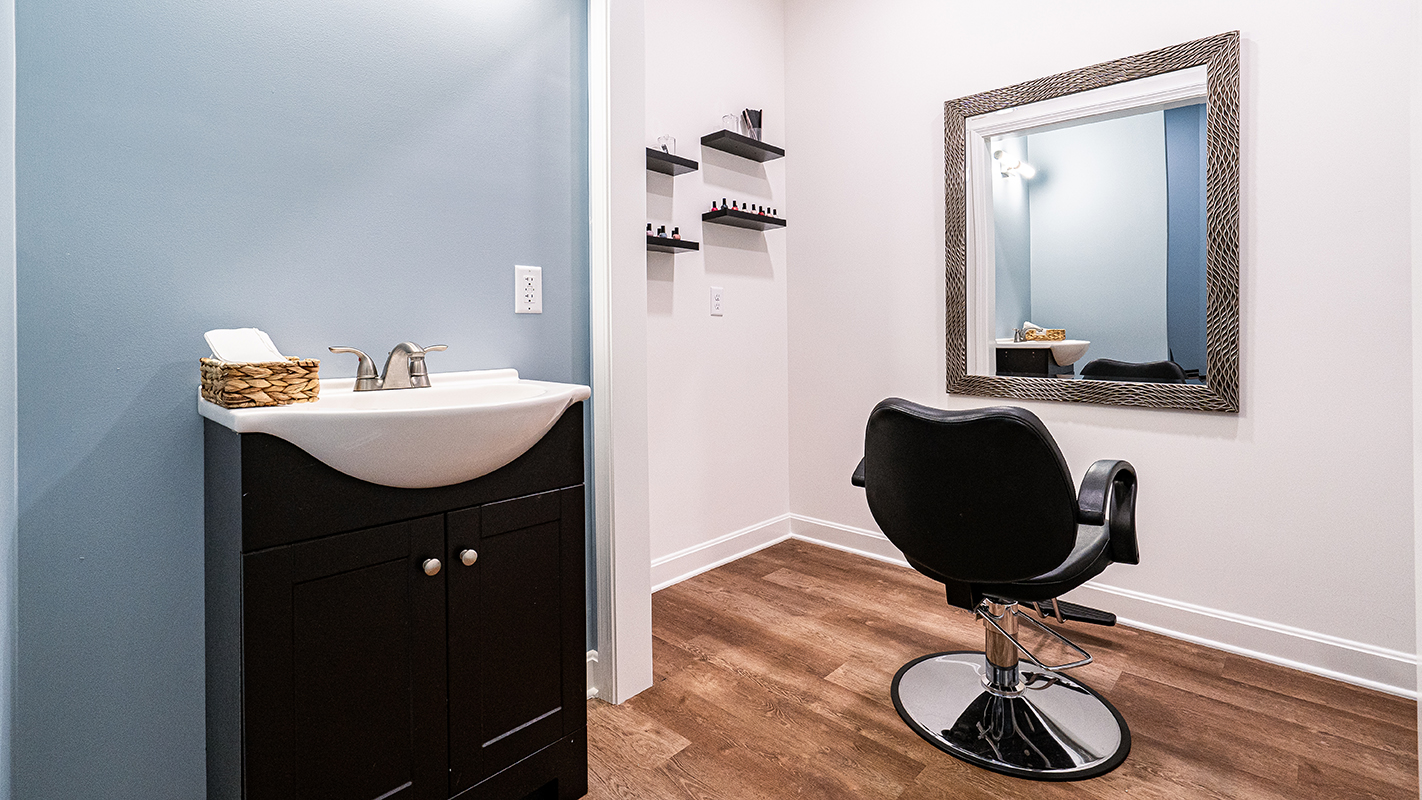
When homeowners feel they come from a stable "little world," their stress and anxiety decreases. They are more willing to accept individual care, more available to attempting activities, more flexible of small discomforts. Belonging is among the greatest psychological benefits of intimate elderly care, and it is very hard to fake.
Preserving identity through daily rituals
Loss of self-reliance injures, but not simply in practical methods. Numerous older grownups feel their identity wear down with every ability they can no longer securely carry out. Driving, cooking, handling medications, gardening, working with tools. When all of this disappears at once, the psychological effect is enormous.
Small homes are particularly well matched to protecting identity through small, significant roles. In a huge building, personnel are typically under pressure to "make it through the list" of jobs. It seems faster to do everything for the resident. In a small home, there is more space to let someone do a bit of what they still can, even if it takes two times as long.
A retired teacher may "help" a caretaker read the mail and choose what to keep. A previous mechanic might be the one who "checks" the batteries on the smoke alarms with a team member. Someone who always baked can sit at the kitchen table and shape cookie dough while a caretaker deals with the oven.
These are not pretend activities. They are continuity of self. They remind the resident, and everybody else, that the person in the recliner chair is more than their diagnoses. I have actually seen depression soften when people restore these small roles. They are no longer "a fall threat in Room 203," they are Mary who folds the napkins, George who feeds the feline, Lila who waters the plants.
Emotional safety for households, not just residents
Families frequently carry a heavy blend of guilt, sorrow, and fatigue by the time they think about moving a loved one into assisted living or another senior care setting. Specifically for adult kids who promised "I will never put you in a home," the decision feels like an individual failure, even when 24‑hour care is clearly needed.
Intimate settings can reduce that emotional burden in a number of ways.
First, communication tends to be more personal and direct. Instead of an online website and a generic "care group" email, families usually have the cell phone number of the main caretaker or house supervisor. When Dad has a rough night, someone can text, "He was uneasy, we tried music, he settled after some tea. No need to stress, but desired you to understand." These details reassure households that their loved one is not simply "managed" however cared about.
Second, visits feel like stopping by a home rather than stepping into an institution. I have actually enjoyed teens who dreaded going to a grandparent in a standard nursing home unwind quickly in a small, home‑like environment. They can sit at the kitchen area counter, chat with a caretaker, and feel part of daily life. This preserves intergenerational bonds, which is emotionally crucial for everyone.
Third, small homes can share the load more flexibly. A child who has been supplying round‑the‑clock care might begin with regular respite care stays, giving herself recovery time while her parent gets used to the environment. Because the setting is small, the personnel quickly find out the individual's routines, which makes each subsequent stay smoother. Gradually, if a permanent move becomes required, it feels like an extension rather than a rupture.
Families who feel mentally safe are much better able to remain involved in a healthy, sustainable method. That benefits the resident, who keeps significant connections, and the staff, who gain collaborative partners instead of burned‑out, resentful relatives.
Staff experience and how it forms care
You can not talk about psychological results without speaking about staff. Frontline caretakers bring the brunt of the physical, psychological, and ethical labor in elderly care. Their well‑being straight impacts the atmosphere locals feel every day.
Large assisted living neighborhoods may provide more formal profession courses, training programs, and benefits, however they can likewise feel administrative. Schedules are stiff, interactions are task‑driven, and specific caretakers might not see the long‑term impact of their work.
In a small home, personnel experience is various. Caretakers typically:
- Form long‑term, family‑like relationships with locals and their relatives.
- Have more autonomy to adapt regimens to resident preferences.
- See the immediate emotional effect of their existence, for much better or worse.
- Take pride in the "entire home," not just their assigned tasks.
This can be deeply rewarding. I have fulfilled personnel who stayed in one small home for a decade, following residents through the final chapters of their lives with extraordinary dedication. That connection is rare in bigger systems.
There are trade‑offs, naturally. Smaller operations may struggle to offer top‑tier pay and benefits. Burnout is still a danger, particularly if staffing is tight or management is weak. In an extremely small team, one hazardous personality can poison the environment rapidly. Households should not assume that "small" instantly means "healthy," but when the culture is favorable, the psychological ripple effect is remarkable.
When a larger setting may be better
Intimate care is not constantly the right response. There are situations where a larger assisted living or proficient nursing environment fits much better, emotionally in addition to medically.
Residents with extremely intricate medical needs may need 24‑hour licensed nursing, on‑site treatment services, specialty clinics, or rapid access to healthcare facility transfers. Some small homes can coordinate this, but many are not geared up for high‑acuity care.
Extremely extroverted locals, or those who draw energy from a vast array of social contacts and structured activities, in some cases flourish in a bigger neighborhood. beehivehomes.com senior care They like multiple clubs, huge occasions, and a more dynamic atmosphere. For them, an extremely small setting may feel restricting or even lonely.
Families who live far away may prefer a larger provider with more robust administrative systems, clear escalation courses, and a corporate structure they can hold accountable. A small, family‑run home without strong governance can drift into bad practices if oversight is weak.
The key is in shape. Psychological benefits come from positioning between the person's character, needs, and the environment's strengths. There is no single "right" design for all older adults.
What to try to find in a mentally healthy small home
When households tour senior care options, the focus frequently falls on security functions, staffing ratios, and expense. These matter. However it is equally crucial to examine the psychological climate. In a small home it can be easier to read, since there are less moving parts.
Here are signs that a small home is emotionally healthy:
- Residents are taken part in regular life: somebody reading, someone napping, possibly someone folding a towel, instead of everybody parked in front of a television.
- Staff speak with citizens respectfully, utilizing names and mild tones, even when locals are confused or duplicating questions.
- Personal items and photos show up, and rooms feel individualized, not staged for marketing.
- The home smells like typical living (food, laundry) rather than strong disinfectant or masking fragrances.
- You notice moments of genuine love: a hand capture, a shared joke, a caregiver who stops briefly to listen instead of hurrying past.
If possible, visit unannounced after the very first official tour. The 2nd visit typically reveals the "real" everyday rhythm.
Questions to ask when considering intimate elderly care
Families often feel overwhelmed and do not understand how to probe beyond the sales brochure. Focused concerns assist emerge the emotional truth behind the marketing language.
Useful questions to ask consist of:
- How long have the majority of your caretakers been here, and what do you do to keep good staff?
- Tell me about a resident who was tough to care for at first and how your team got to know them.
- What occurs here on a regular day for someone like my mother or father, from getting up to bedtime?
- How do you include households, specifically if we can not visit often?
- Can you share a current situation where a resident was upset, and how personnel assisted them feel safe again?
The content of the answer matters, however so does the method it is delivered. Are employee stiff and rehearsed, or do they appear reflective and sincere? Do they discuss citizens with love or inconvenience? Do they include the older grownup in the conversation where possible, or talk over them?
Integrating small homes with the broader care continuum
Intimate care settings seldom operate in seclusion. Frequently, they belong to a more comprehensive sequence: home care, respite care stays, longer residential care, often hospice. The emotional advantage grows when these transitions feel linked instead of fragmented.
Respite care can be especially effective. A caregiver who has been supporting a partner with dementia in the house might use a small home for brief remain at first. These breaks permit the caregiver to rest, deal with medical consultations, or merely recharge. Equally essential, the individual receiving care gradually becomes familiar with the environment and the staff.
Over time, as the disease progresses, what started as occasional respite care can develop into a full‑time relocation. Due to the fact that the relationships and regimens are currently in location, the psychological shock is minimized. The resident is not getting in an unknown building however going back to a location where "my friends are."
Coordinated healthcare makes a difference too. When small homes build strong connections with regional primary care suppliers, home health, and hospice teams, citizens experience fewer disconcerting transitions in and out of hospitals. Personnel can get subtle modifications early and work together with clinicians who currently understand the individual's values and history. That continuity supports self-respect at the end of life.
Practical restrictions: cost, regulation, and availability
It would be deceitful to discuss emotional benefits without acknowledging the practical barriers. Small homes are not equally readily available, and they are not constantly affordable. In lots of areas, they operate as private‑pay assisted living or board‑and‑care, which can put them out of reach for families relying exclusively on public benefits.
Regulatory frameworks in some cases lag behind reality. Guidelines composed for bigger facilities might not adjust well to small homes, or the licensing classification that fits a small home design may not enable greater care needs. Good companies work creatively within these restrictions, but they can just flex so far.
Families in some cases have to make difficult compromises. I have sat at kitchen area tables with daughters who chose a specific small home mentally however selected a bigger setting because it accepted a public payer source that the small home could not. In those moments, the work shifts to extracting as much intimacy and customization as possible within the chosen environment.
Advocating for policy that supports a larger variety of small, community‑based senior care alternatives is not a fast repair, yet it stays crucial. The psychological benefits described here are not luxuries. They are part of humane care in late life, and they should not be booked just for those who can pay top rates.
Bringing the "small home" frame of mind into any setting
Even when a real small home is not an option, households and experts can obtain from the small‑scale approach to enhance the psychological experience in bigger assisted living or nursing environments.
Focus on continuity. Demand consistent caretakers when possible. Discover their names, share family stories, and treat them as partners. That relational glue assists everyone.
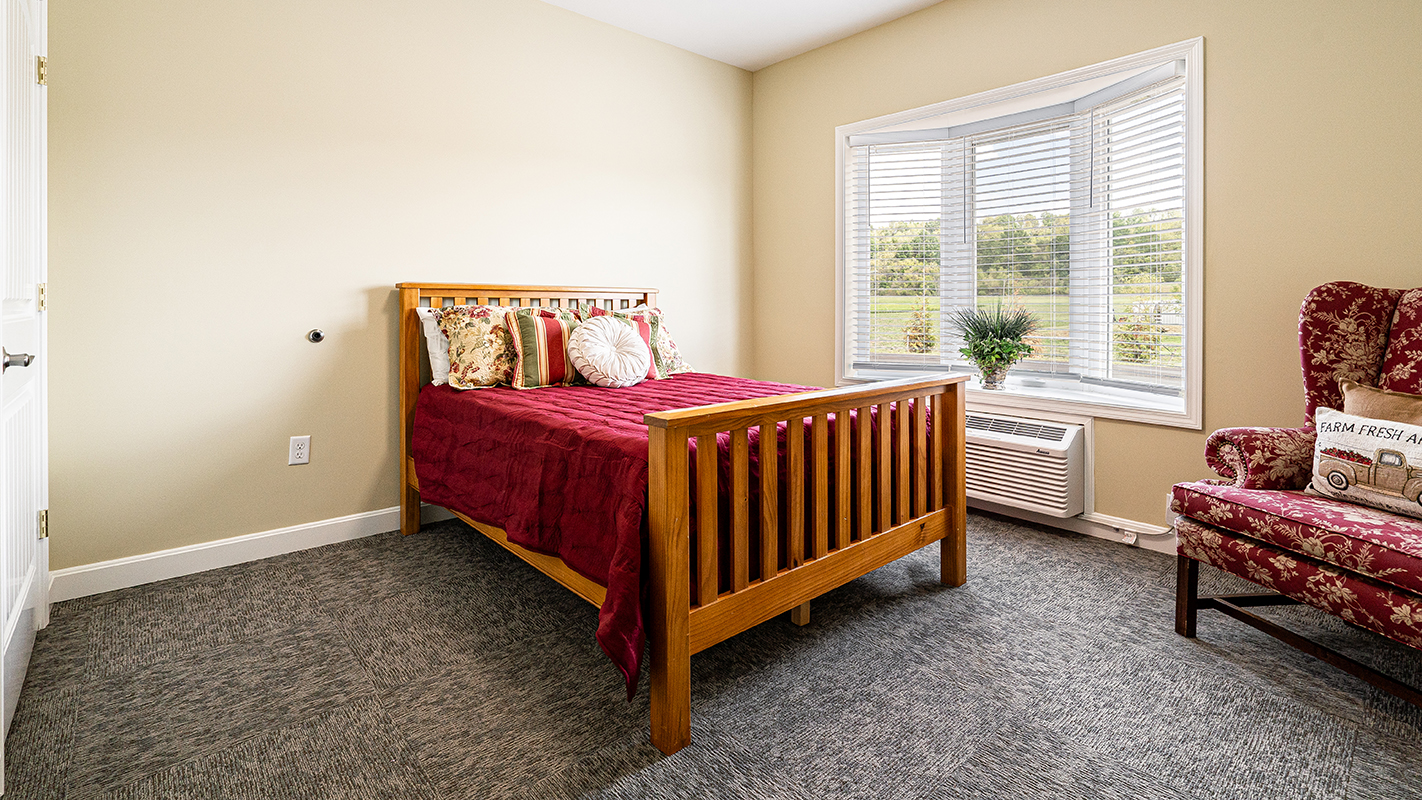
Personalize the area. Even in a basic room, images, a favorite blanket, a familiar lamp, or a cherished wall hanging can create emotional anchors. These objects tell staff who the person is, not simply what care they need.
Protect rituals. If your father constantly shaved after breakfast, advocate for keeping that order. If your mother prayed or listened to a specific piece of music before bed, share that with staff. Small routines offer emotional structure.
Slow down essential minutes. Bathing, dressing, and mealtimes are mentally packed. Encourage caregivers to prevent rushing through them. A few extra minutes of calm, calm existence often avoid agitation later.
Above all, keep informing the person's story. In care plan meetings, in corridor talks with personnel, in notes you leave at the bedside. Small homes naturally soak up these stories because the scale is intimate. In bigger settings, households in some cases need to work a bit harder to weave the story into the everyday fabric.
The quiet power of intimacy
When you strip away marketing terms and care designs, what older adults and their households frequently long for is simple: to feel at home, to be understood, and to be looked after by people who treat them as human beings, not tasks on a schedule.
Small homes are not a universal service, but they are a vivid presentation that scale matters. A handful of locals around a table, a caregiver who notices a brand-new tremor, a member of the family who feels comfy enough to sob in the kitchen while someone makes coffee for them, not simply for the resident. These are the moments that form the emotional memory of late life.
Whether you ultimately select an intimate residential home, a bigger assisted living community, or a mix of respite care and in‑home support, keeping these psychological concerns in focus changes the questions you ask and the information you notice. Structures, staffing charts, and service menus are only the skeleton. The small, everyday gestures of intimacy supply the heart.
BeeHive Homes of Taylorsville provides assisted living care
BeeHive Homes of Taylorsville provides memory care services
BeeHive Homes of Taylorsville provides respite care services
BeeHive Homes of Taylorsville supports assistance with bathing and grooming
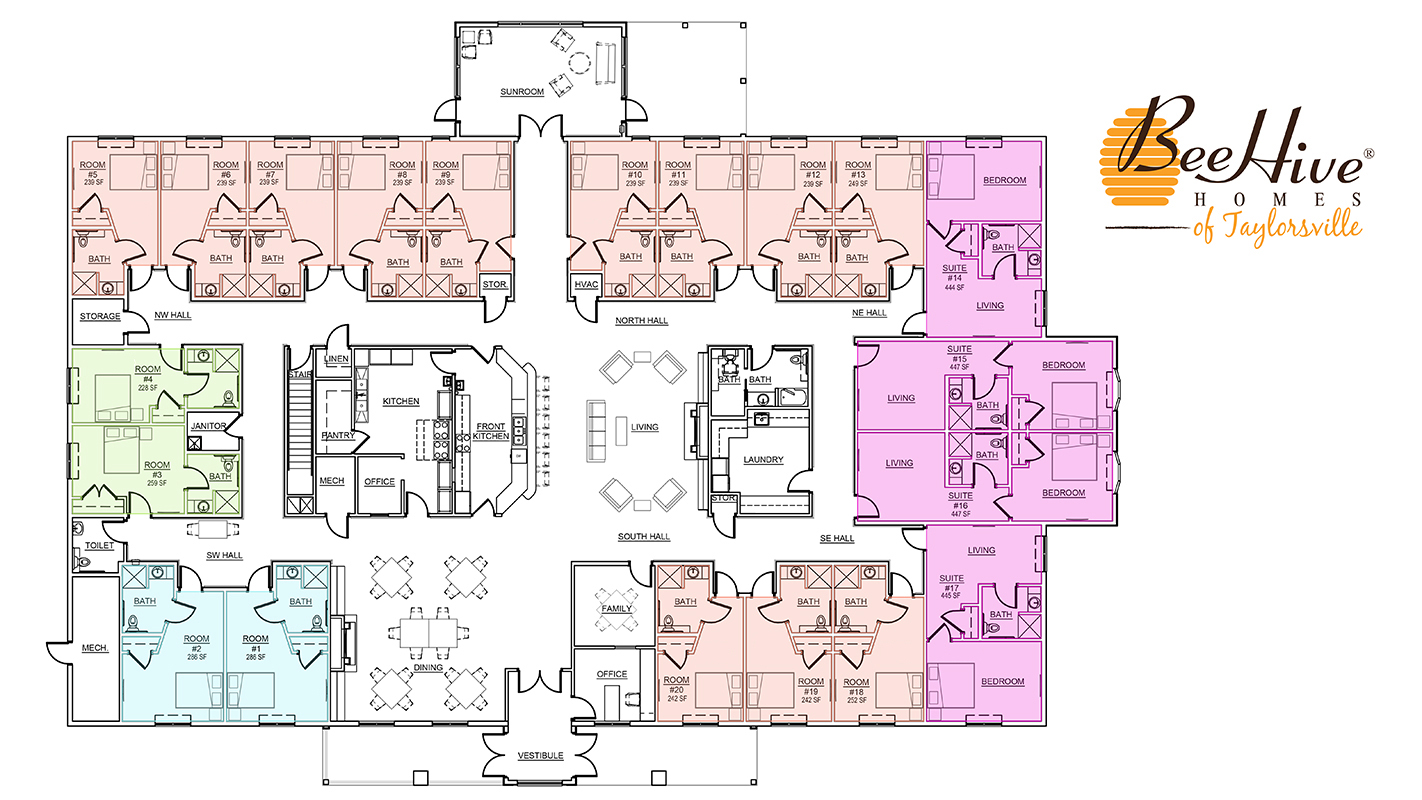
BeeHive Homes of Taylorsville offers private bedrooms with private bathrooms
BeeHive Homes of Taylorsville provides medication monitoring and documentation
BeeHive Homes of Taylorsville serves dietitian-approved meals
BeeHive Homes of Taylorsville provides housekeeping services
BeeHive Homes of Taylorsville provides laundry services
BeeHive Homes of Taylorsville offers community dining and social engagement activities
BeeHive Homes of Taylorsville features life enrichment activities
BeeHive Homes of Taylorsville supports personal care assistance during meals and daily routines
BeeHive Homes of Taylorsville promotes frequent physical and mental exercise opportunities
BeeHive Homes of Taylorsville provides a home-like residential environment
BeeHive Homes of Taylorsville creates customized care plans as residents’ needs change
BeeHive Homes of Taylorsville assesses individual resident care needs
BeeHive Homes of Taylorsville accepts private pay and long-term care insurance
BeeHive Homes of Taylorsville assists qualified veterans with Aid and Attendance benefits
BeeHive Homes of Taylorsville encourages meaningful resident-to-staff relationships
BeeHive Homes of Taylorsville delivers compassionate, attentive senior care focused on dignity and comfort
BeeHive Homes of Taylorsville has a phone number of (502) 416-0110
BeeHive Homes of Taylorsville has an address of 164 Industrial Dr, Taylorsville, KY 40071
BeeHive Homes of Taylorsville has a website https://beehivehomes.com/locations/taylorsville
BeeHive Homes of Taylorsville has Google Maps listing https://maps.app.goo.gl/cVPc5intnXgrmjJU8
BeeHive Homes of Taylorsville has Facebook page https://www.facebook.com/BHTaylorsville
BeeHive Homes of Taylorsville has an Instagram page https://www.instagram.com/beehivehomesoftaylorsville/
BeeHive Homes of Taylorsville won Top Assisted Living Homes 2025
BeeHive Homes of Taylorsville earned Best Customer Service Award 2024
BeeHive Homes of Taylorsville placed 1st for Senior Living Communities 2025
People Also Ask about BeeHive Homes of Taylorsville
What is BeeHive Homes of Taylorsville Living monthly room rate?
The rate depends on the bedroom size selection. The studio bedroom monthly rate starts at $4,350. The one bedroom apartment monthly rate if $5,200. If you or your loved one have a significant other you would like to share your space with, there is an additional $2,000 per month. There is a one time community fee of $1,500 that covers all the expenses to renovate a studio or suite when someone leaves our home. This fee is non-refundable once the resident moves in, and there are no additional costs or fees. We also offer short-term respite care at a cost of $150 per day
Can residents stay in BeeHive Homes until the end of their life?
Usually yes. There are exceptions, such as when there are safety issues with the resident, or they need 24 hour skilled nursing services
Do we have a nurse on staff?
No, but we do have physician's who can come to the home and act as one's primary care doctor. They are then available by phone 24/7 should an urgent medical need arise
What are BeeHive Homes’ visiting hours?
Visiting hours are adjusted to accommodate the families and the resident’s needs… just not too early or too late
Do we have couple’s rooms available?
Yes, each home has rooms designed to accommodate couples. Please ask about the availability of these rooms
Where is BeeHive Homes of Taylorsville located?
BeeHive Homes of Taylorsville is conveniently located at 164 Industrial Dr, Taylorsville, KY 40071. You can easily find directions on Google Maps or call at (502) 416-0110 Monday through Sunday Open 24 hours
How can I contact BeeHive Homes of Taylorsville?
You can contact BeeHive Homes of Taylorsville by phone at: (502) 416-0110, visit their website at https://beehivehomes.com/locations/taylorsville,or connect on social media via Facebook or Instagram
Visiting the Taylorsville Lake Marina offers educational displays and views that make for a light cultural stop during assisted living, senior care, and respite care visits.